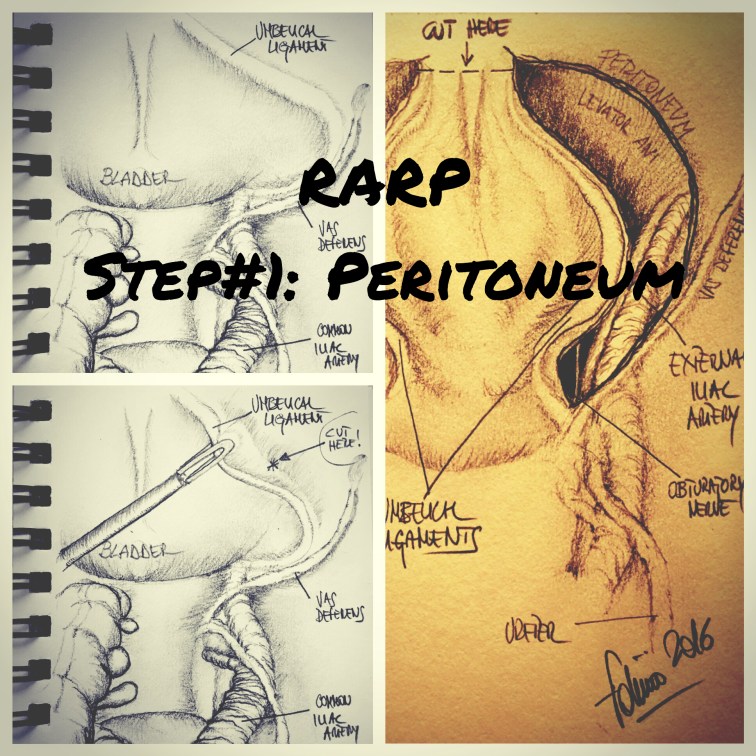
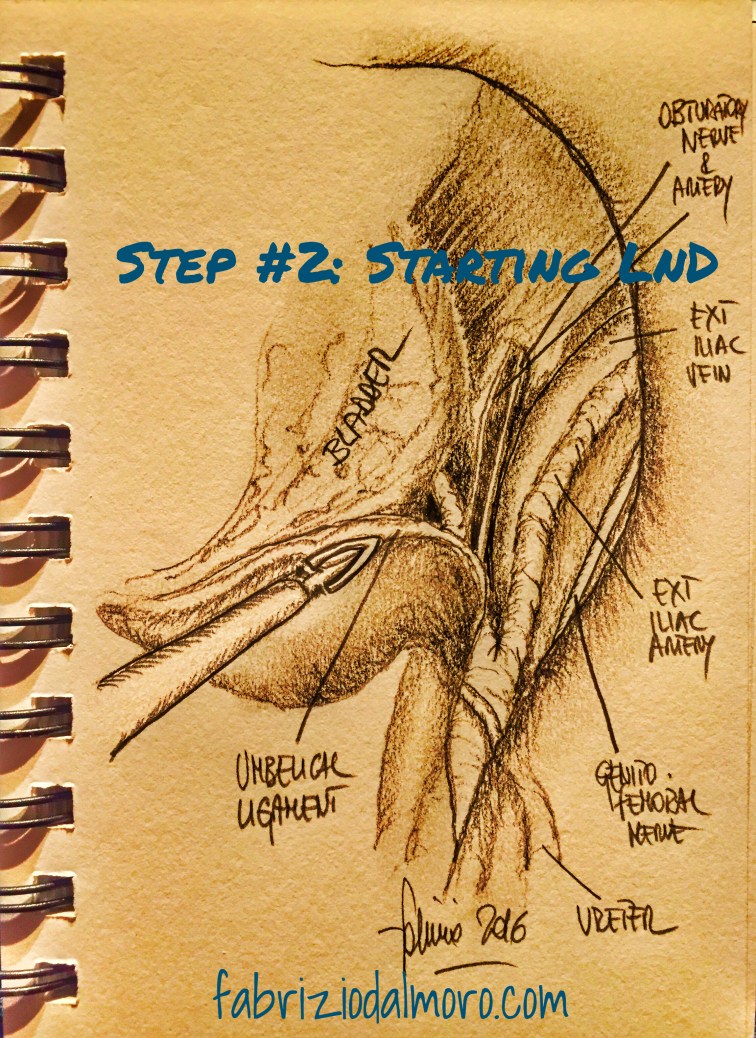
Trocar Positioning: “Fusilli is better than Rigatoni!” – A trick to avoid/reduce gas-reabsorptionTransperitoneal ApproachIncision of the Peritoneum
Surgical Anatomy
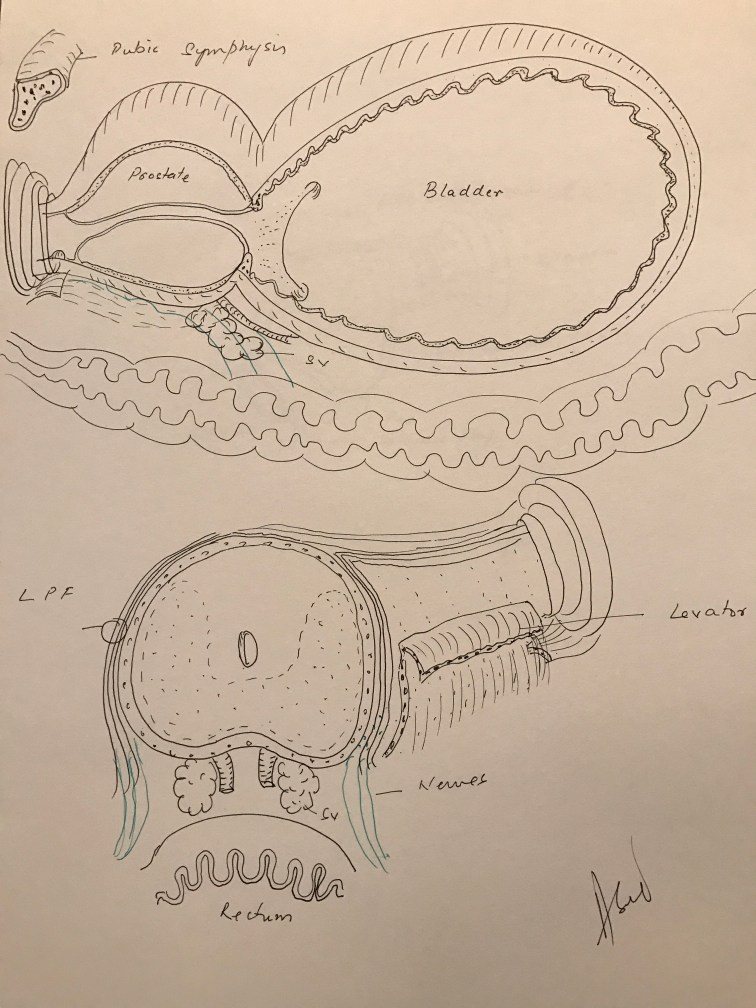
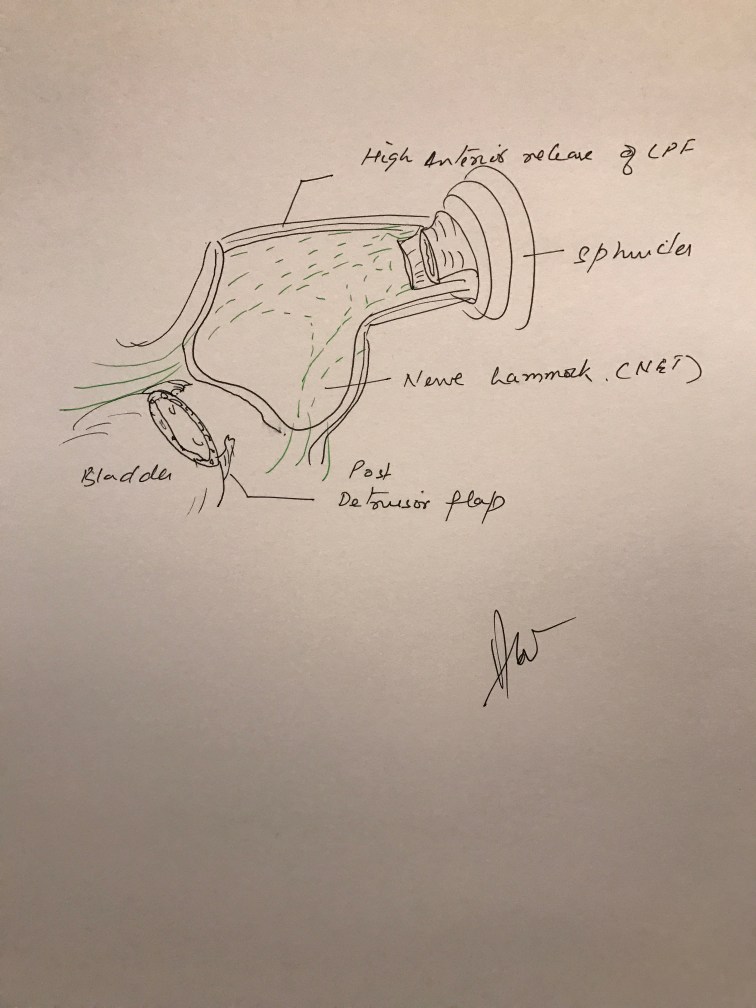
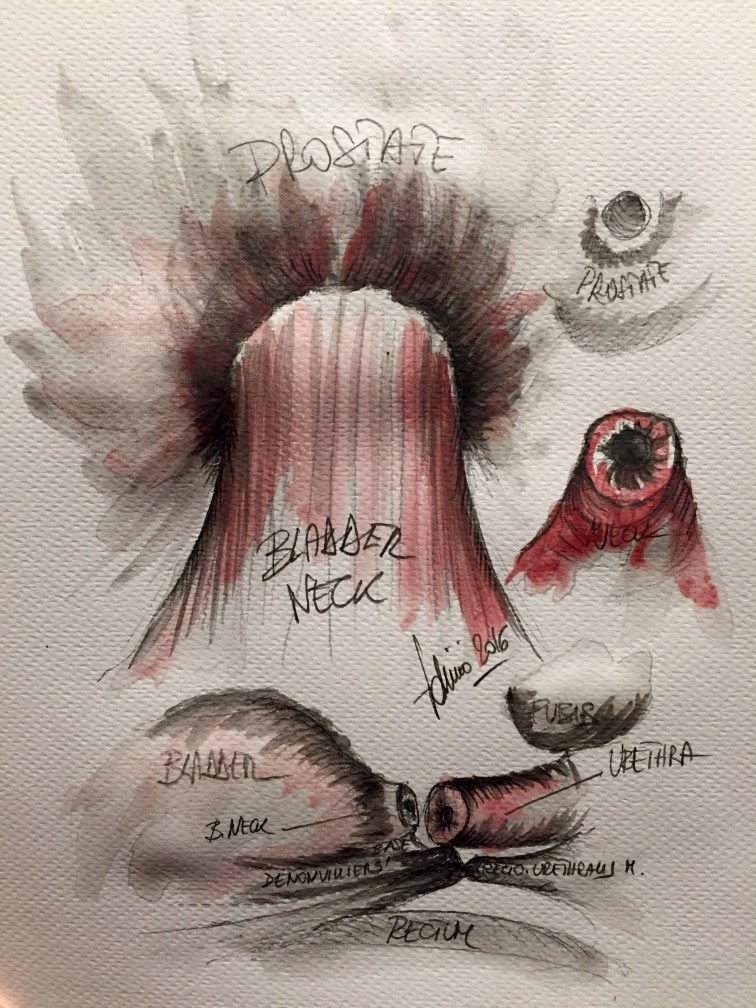
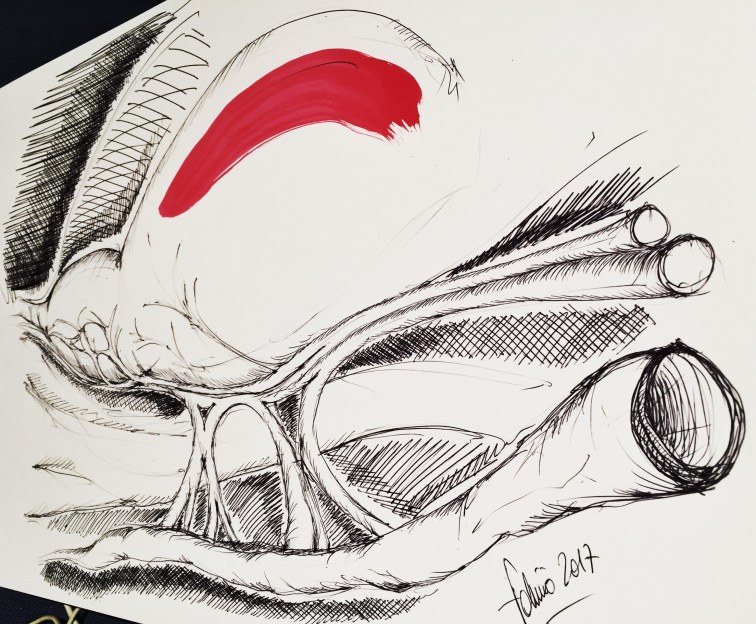
Original Drawings by Ash Tewari
Bladder Neck: Tips & Tricks
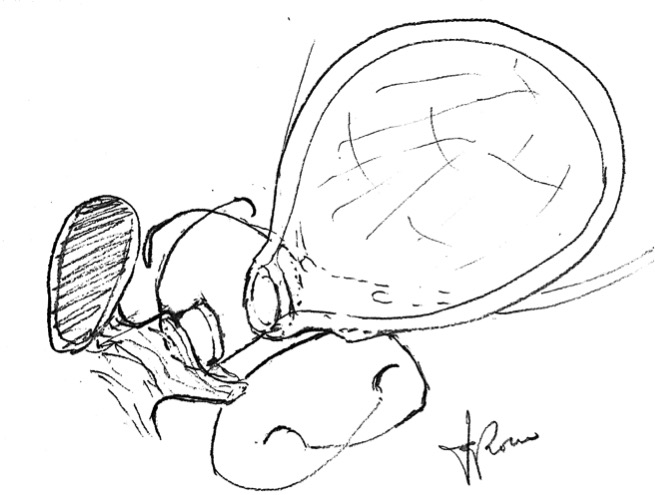
Surgical Trick to manage a large TURP defect – Original Drawing by A. Erdem Canda
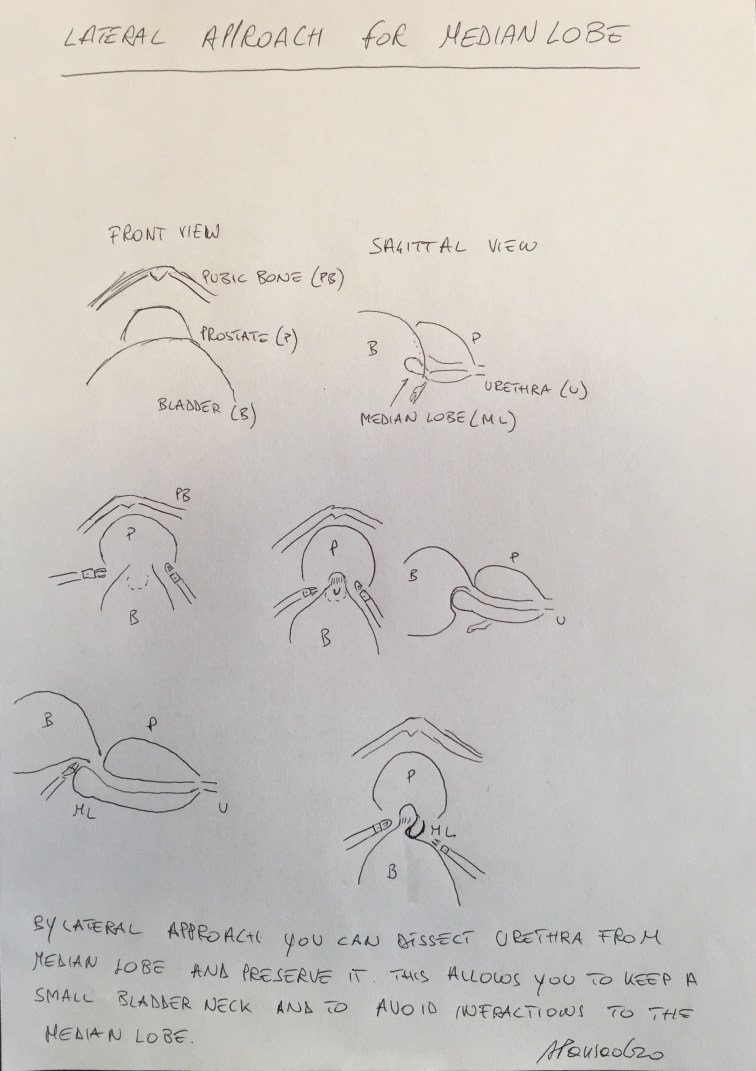
Lateral Approach for Median Lobe – Original Drawing by Alberto Pansadoro
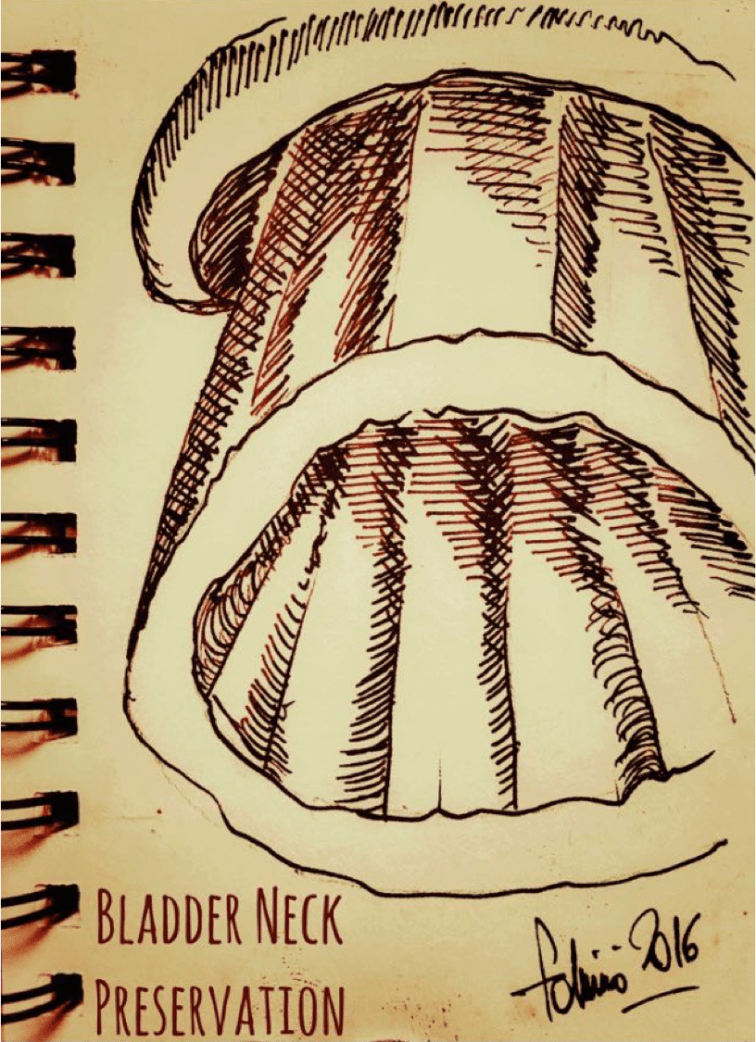
Bladder Neck Sparing
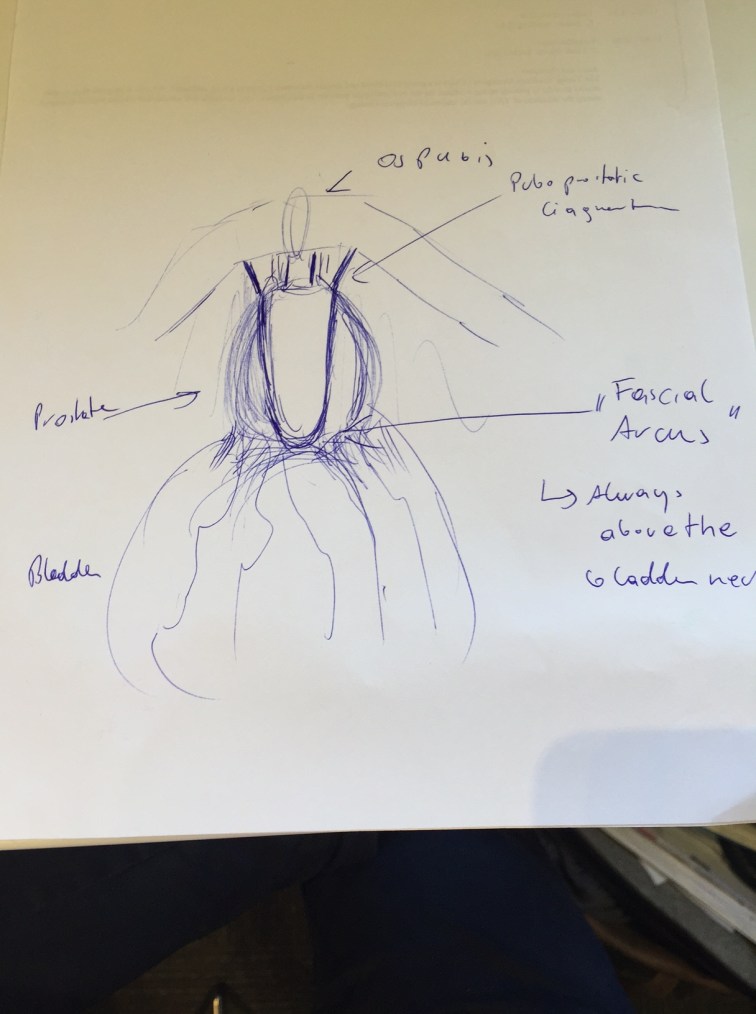
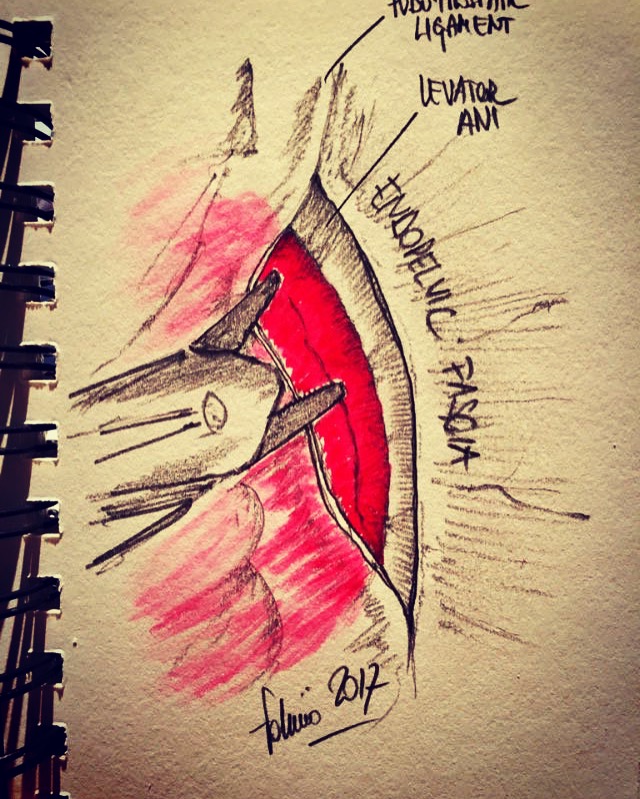
Original Drawing and Comment by Stephan Hruby: “I found that there is a costant anastomotic detail after cleaning the Endopelvic Fascia from the fat: if you follow the fibres of the Puboprostatic Ligaments retrogradely, they constantly end up forming an “arcus” directly above the Bladder Neck, and vice versa fibres from the bladder also form an “arcus”. So after entering this line, I always encounter the Bladder Neck safely.“
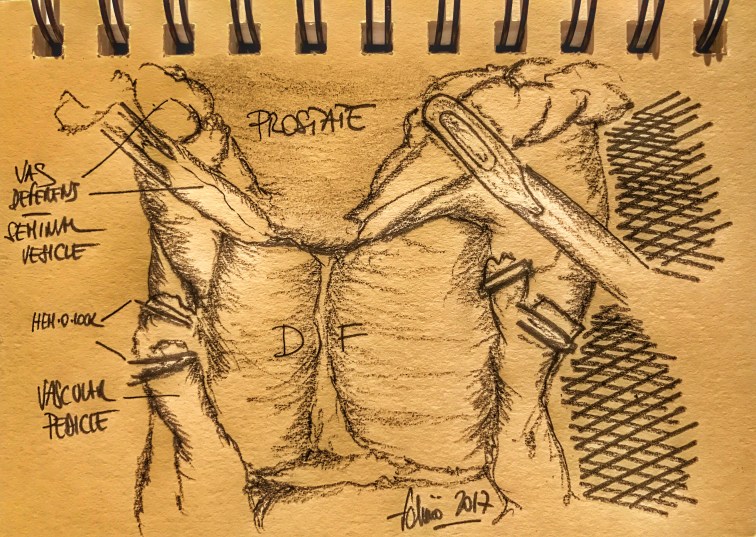
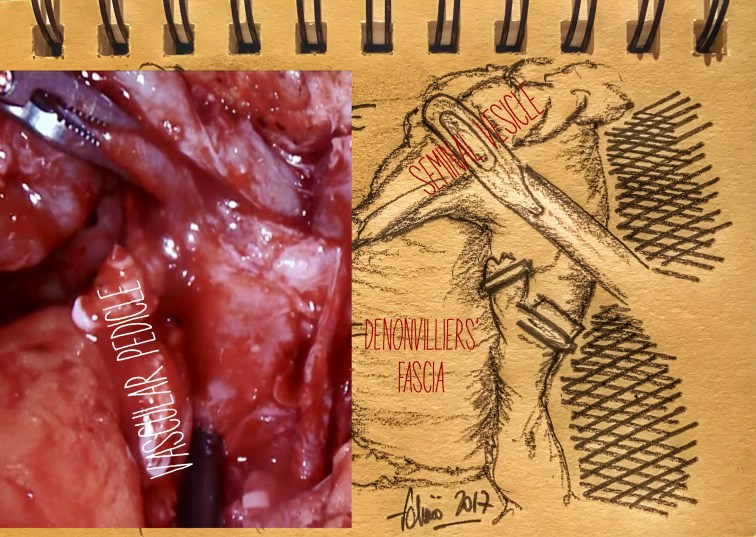
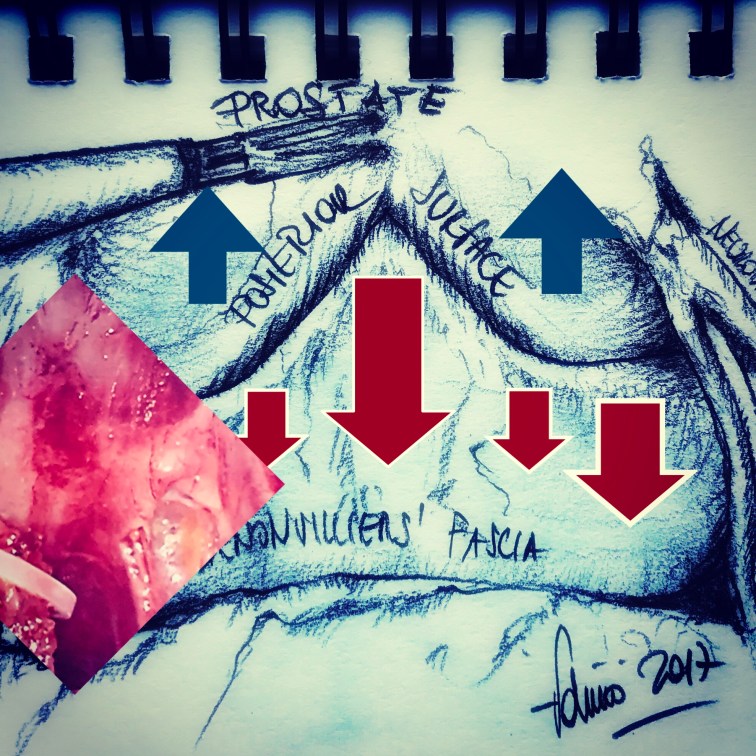
Posterior Dissection
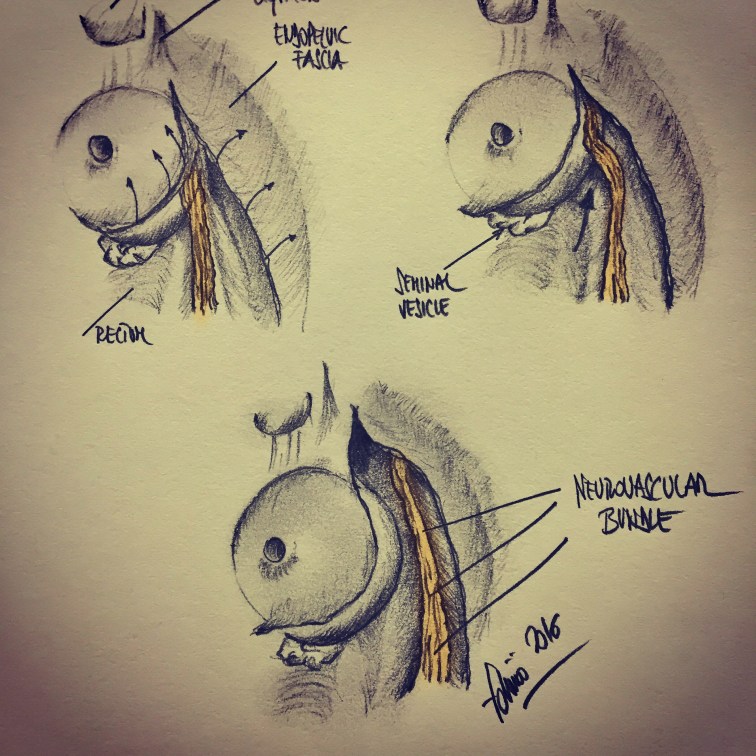
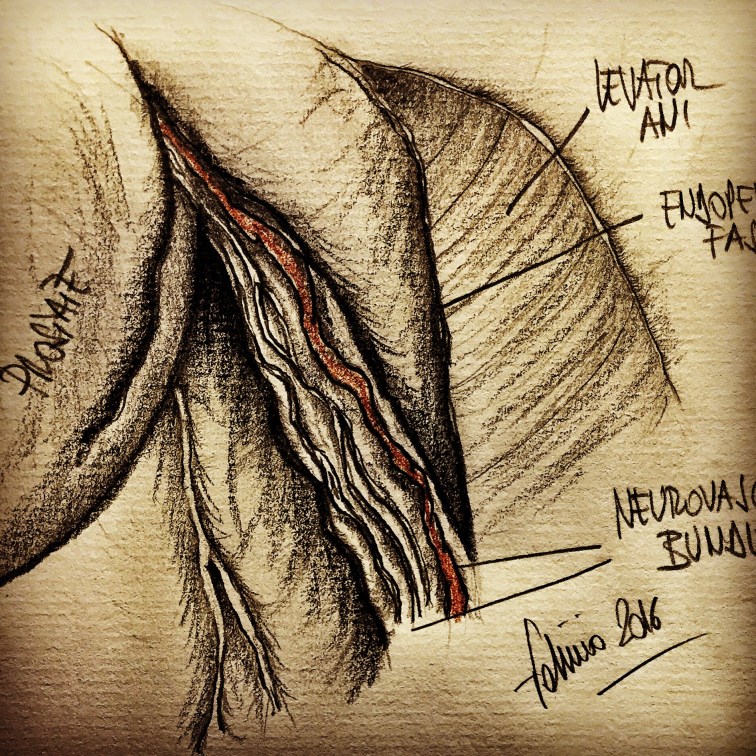
Nerve Sparing
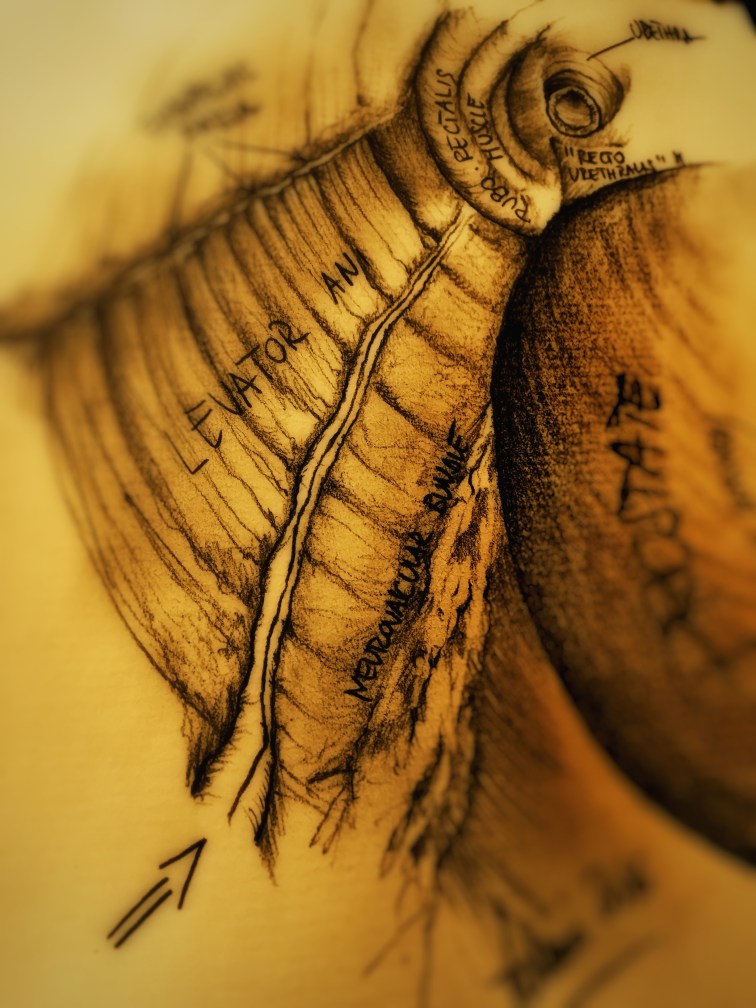
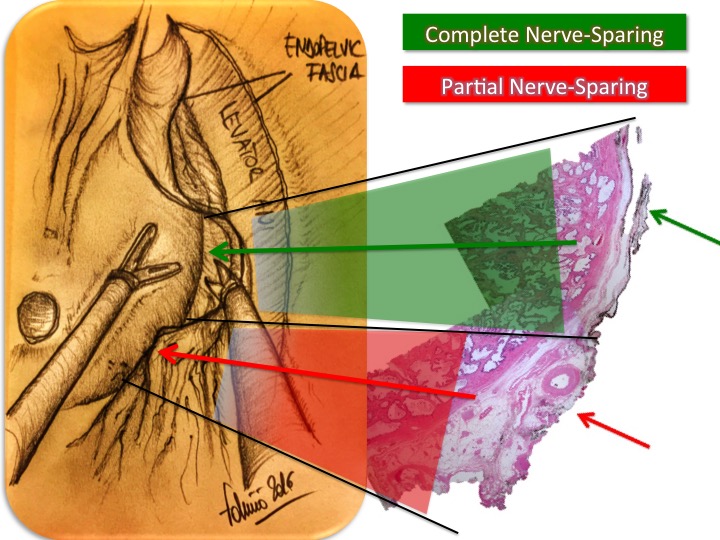
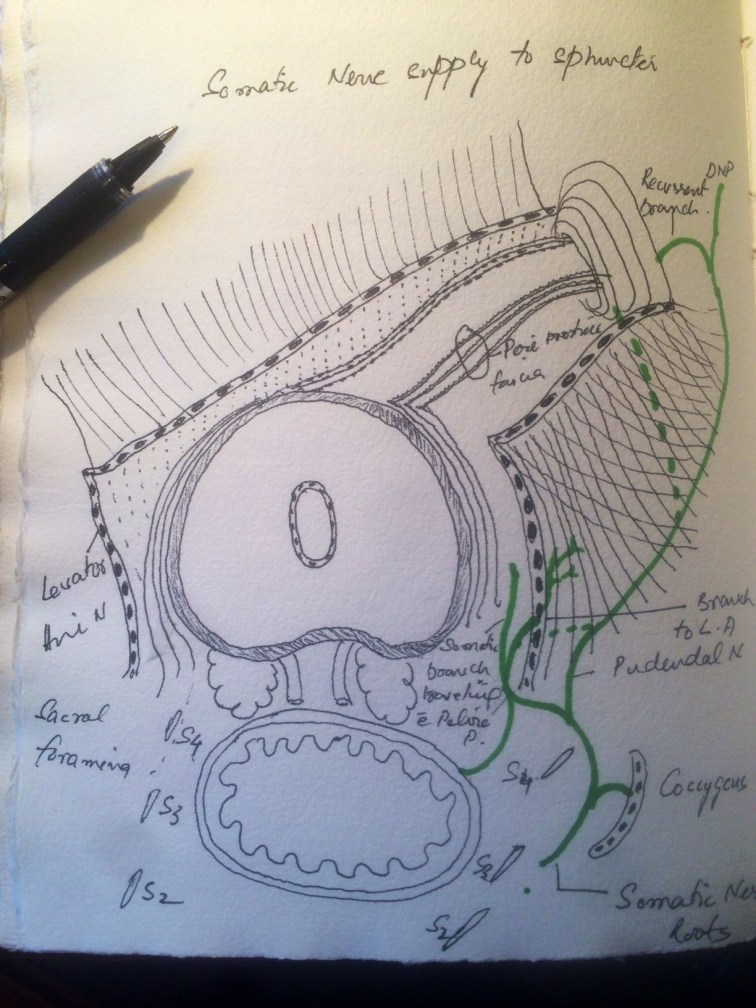
Incision of the the Endopelvic FasciaThe Nerve of Levator Ani Muscle (preserve it to improve the postoperative urinary continence!)The Neurovascular BundleComplete vs Partial Nerve Sparing
Original Drawings by Ash Tewari
Nerve Sparing: Step by stepThe Prostatic Artery: A useful landmarkNeurovascular Bundle
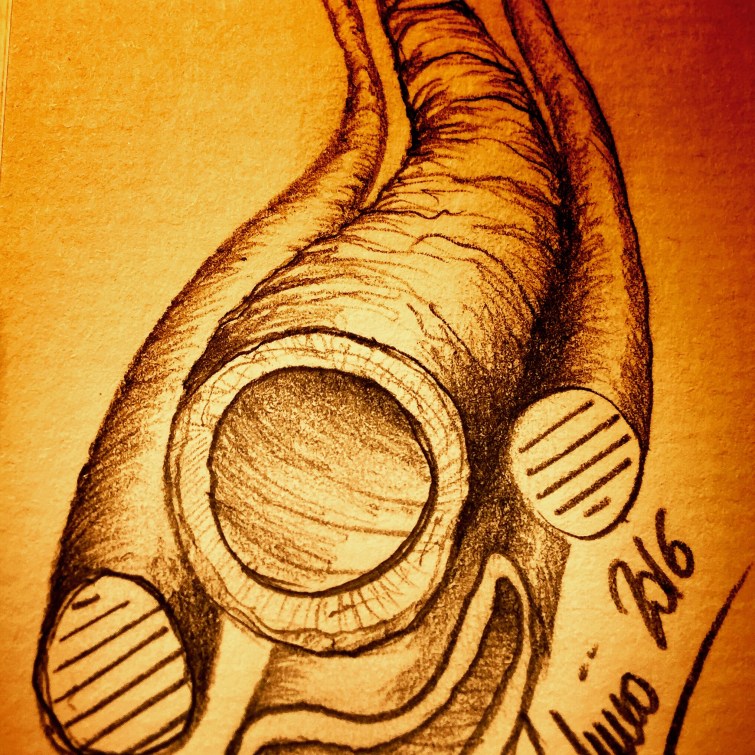
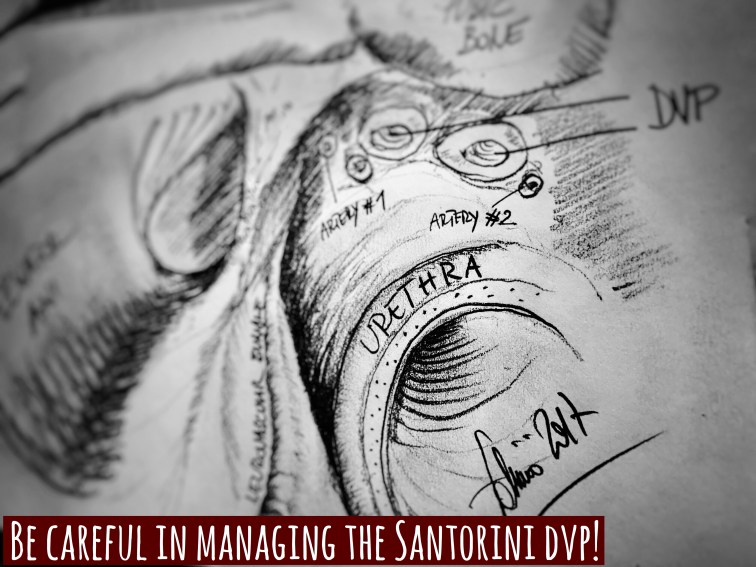
Santorini’s Management – The Urethra
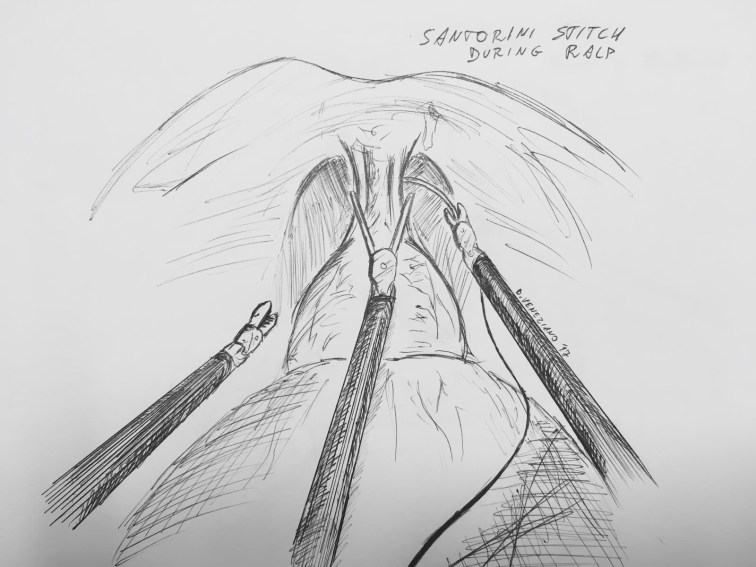
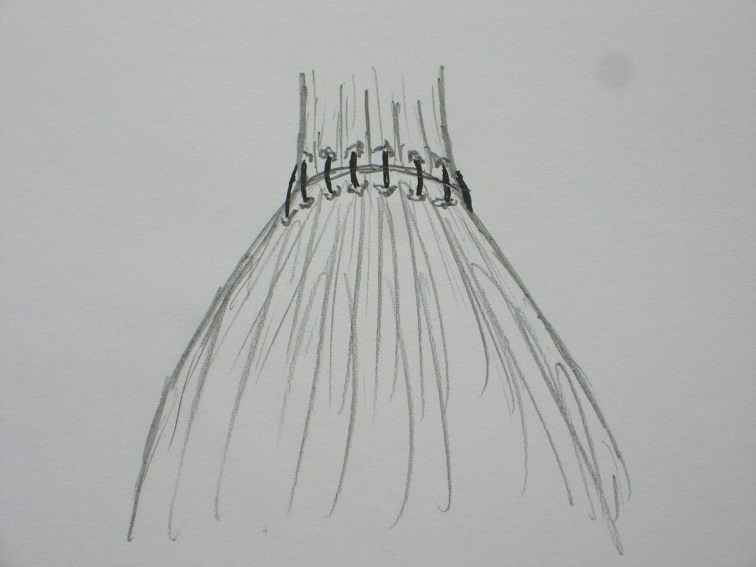
Santorini stitch during RARP – Original Drawing by Domenico Veneziano
Posterior Reconfiguration
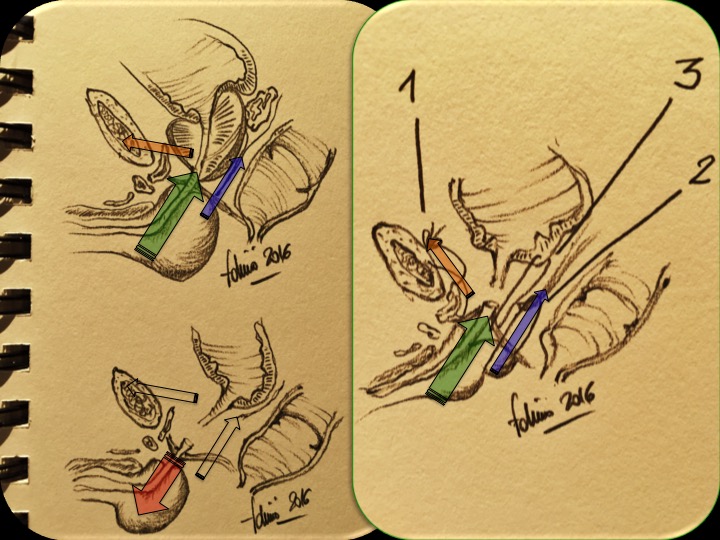
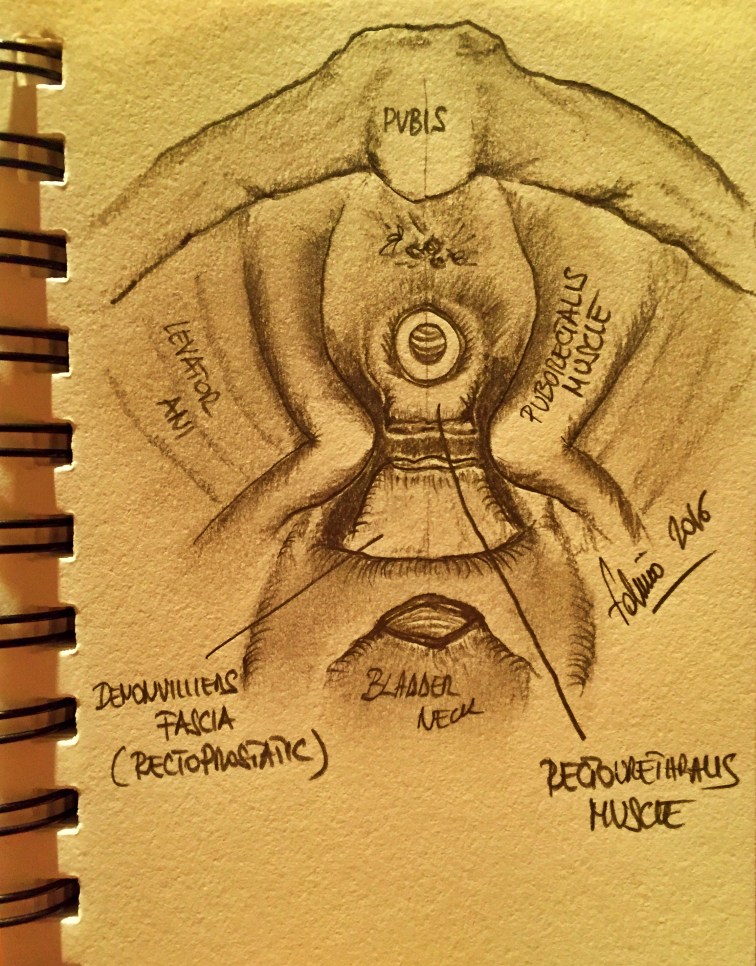
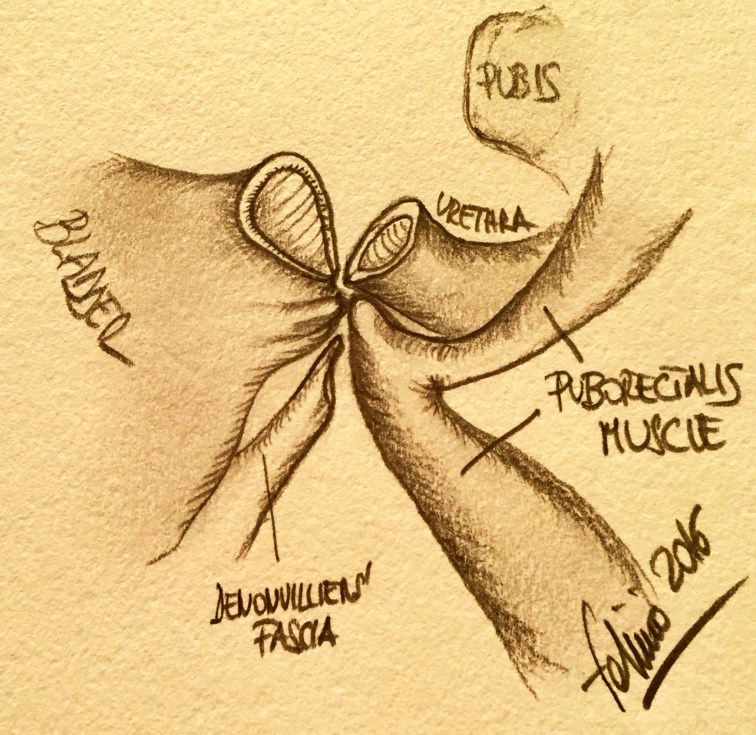
At the end of the prostatectomy……you have to restore this geometry!CoRPUS: Complete Reconstruction of the Posterior Urethral SupportThe Rationale of CoRPUS!
CoRPUS!
Rocco Stitch – Original Drawing by Francesco Rocco
Urethro-Vesical Anastomosis
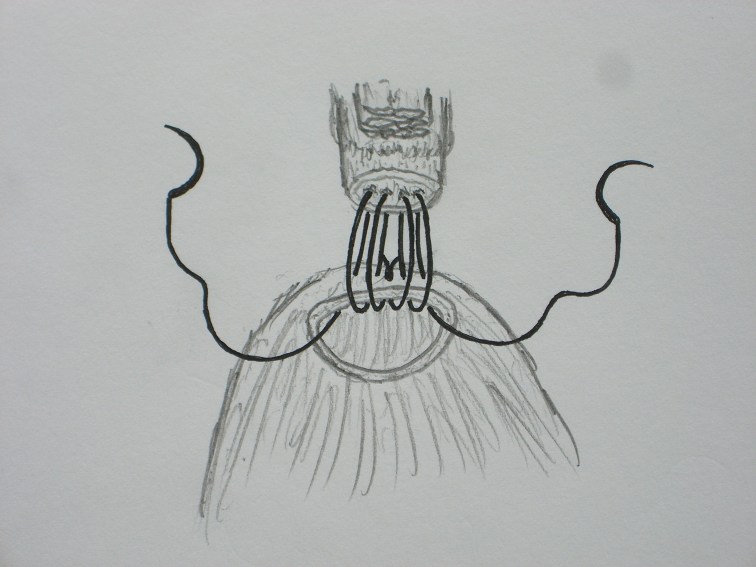
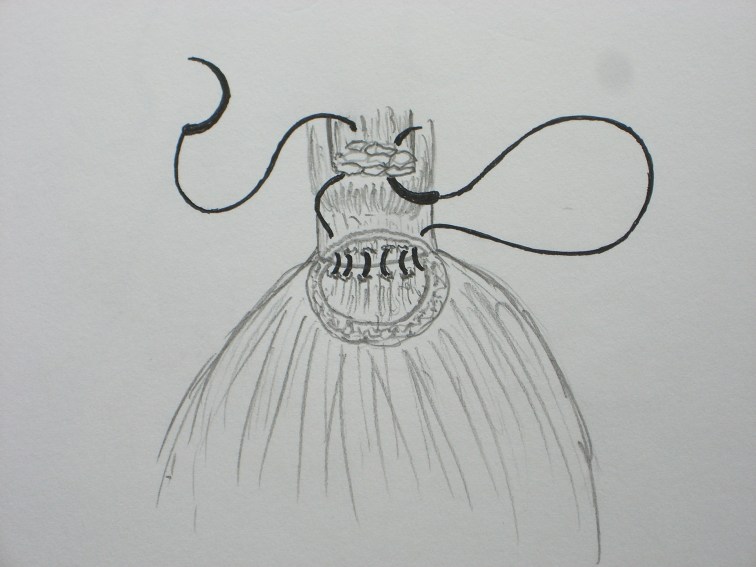
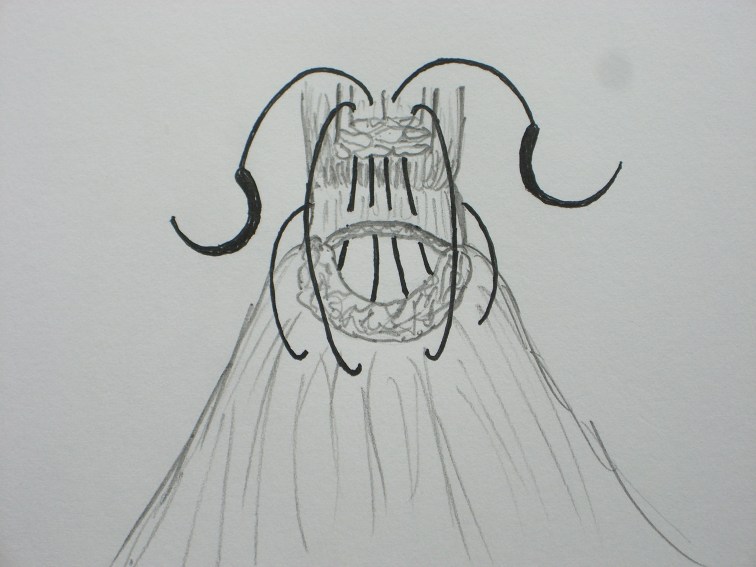
Original Drawings by Alex Mottrie
Other Tricks
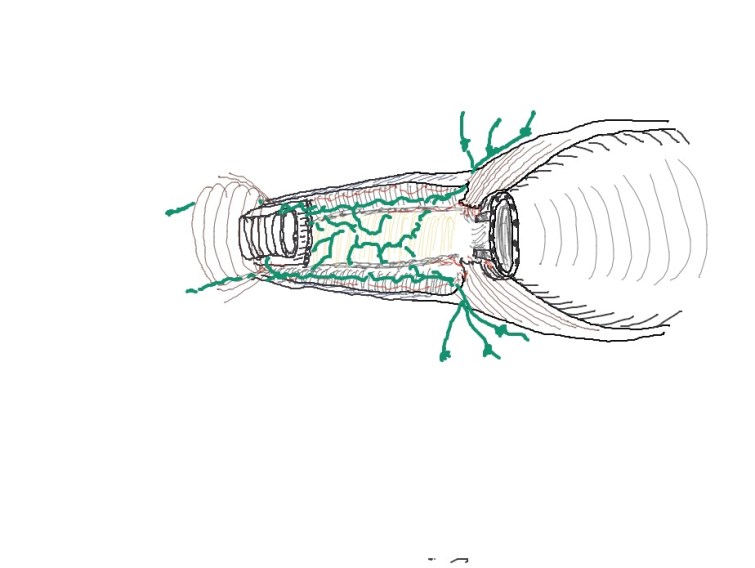
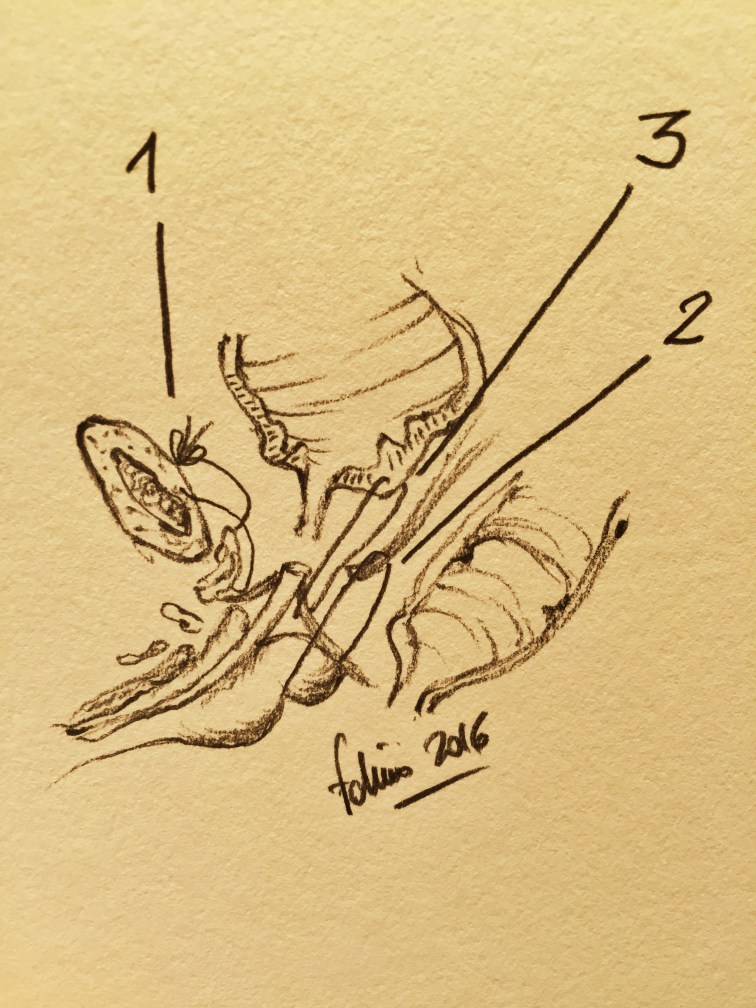
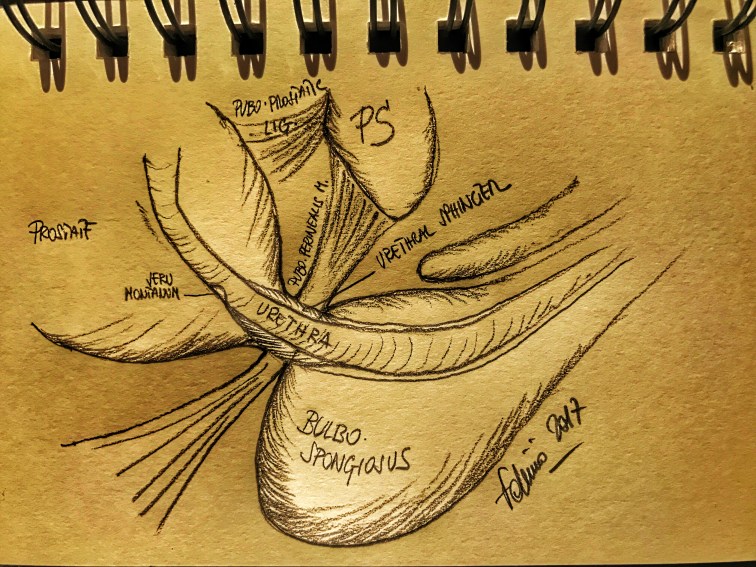
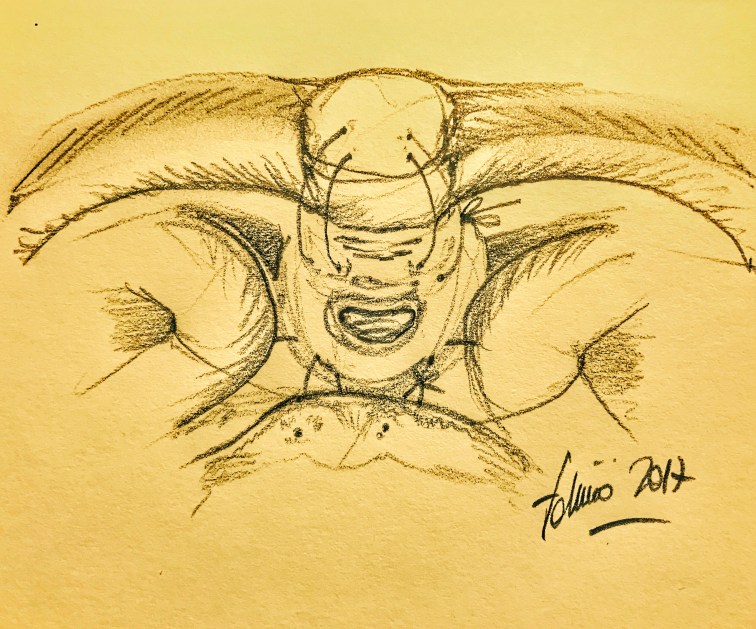
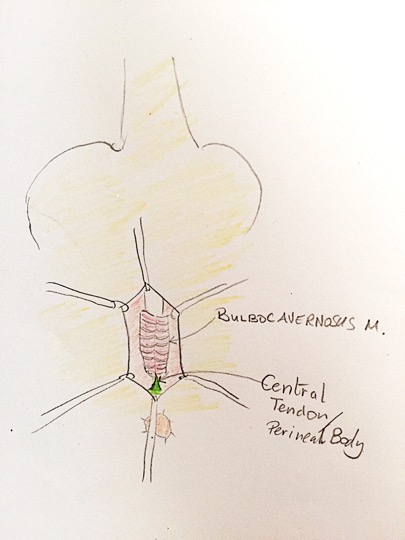
“At start of the RARP the man is already in lithotomy position. Midline raphe incision. Bulbocavernosal muscle is preserved. The perineal body is visible where the posterior part of the muscle is held to the skin and anal sphincter. Dividing this will give far more mobility to the urethra when it comes to anastomosis and may avoid need for stitch posterior to the anastomosis which is always a concern that it may hit the sphincter. A study from Alabama (I think) put in an Advance in 50 men at the time of the RARP and all apparently were continent on removal of catheter (I have only heard this cohort described – may not have been published). What I have often considered is that perhaps the step of dividing the perineal body may what is crucial rather than the actual sling.” Original drawing and comment by Paul Hegarty



 DRAW
DRAW 